Kitchen Design & Consulting Services
1. Process
Needs Assessment & Concept Development.
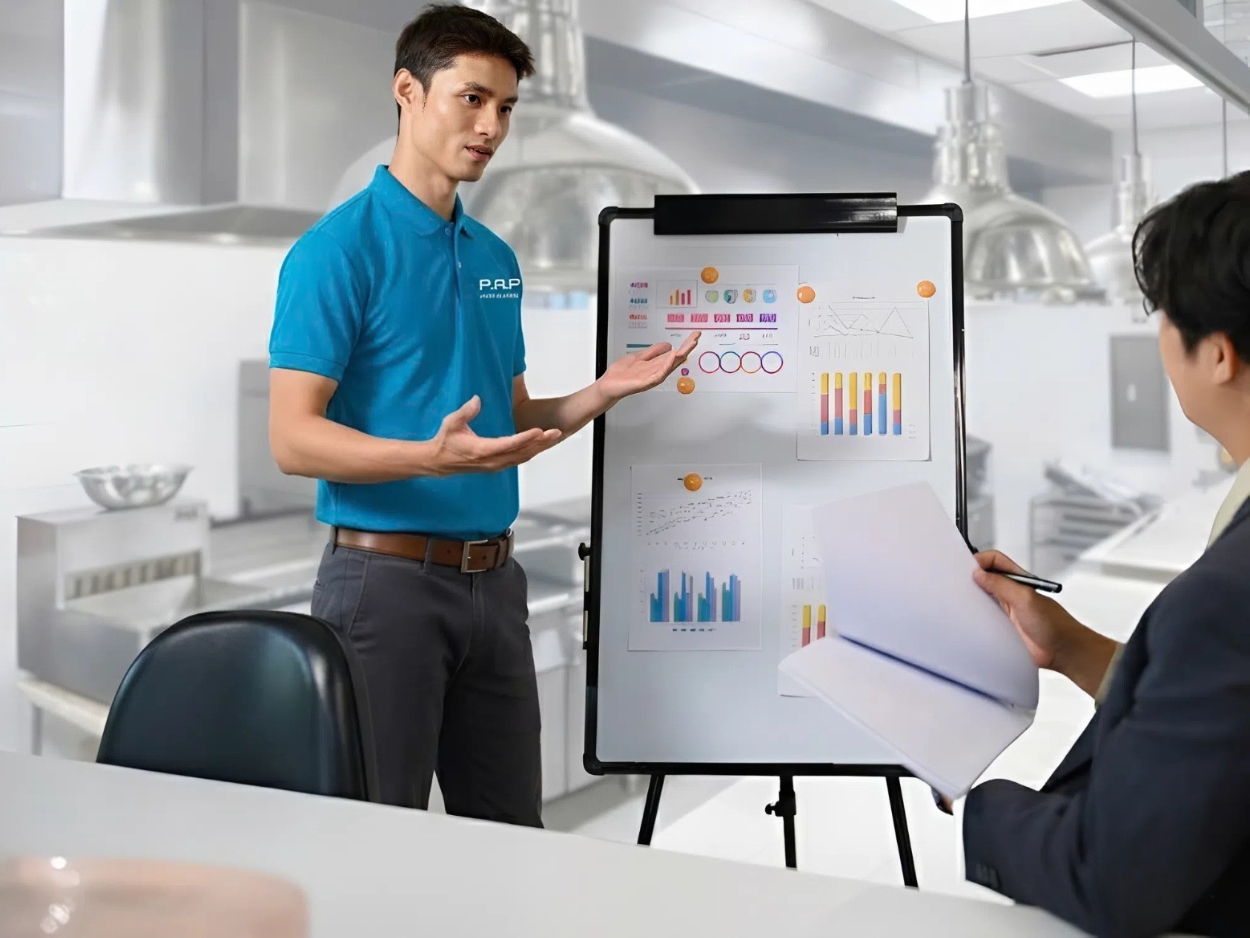
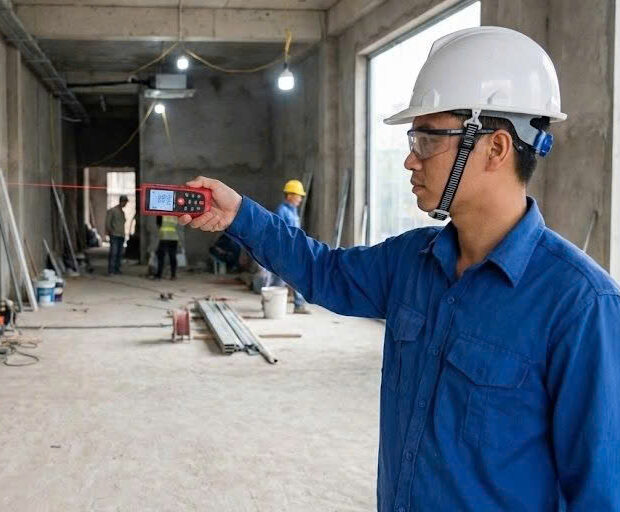
nformation is collected regarding the business model, service capacity, menu concept, and long-term development direction. At the same time, the site is surveyed to assess the available space, electrical, water, and gas systems, as well as existing technical conditions.
Outcome: A survey report is prepared as the basis for determining the project scale and establishing appropriate design standards.
2. Process
Operational Process Analysis.
A workflow diagram is developed for the movement of food and kitchen staff based on the one-way principle: receiving – preparation – cooking – serving – washing.
The analysis aims to:
– Minimize cross-contamination between raw and cooked food
– Optimize operational efficiency and working time
– Reduce waste and operational errors
Objective: To ensure a systematic workflow and maintain high standards of food safety and hygiene.
3. Process
Functional Layout Proposal.
The space is divided into clearly defined functional areas, including:
– Receiving & storage area
– Preparation area
– Hot and cold cooking areas
– Plating / serving area
– Washing and waste management area
The proposed layout is carefully balanced between the available space and the required operational capacity.
4. Process
Floor Layout Design.
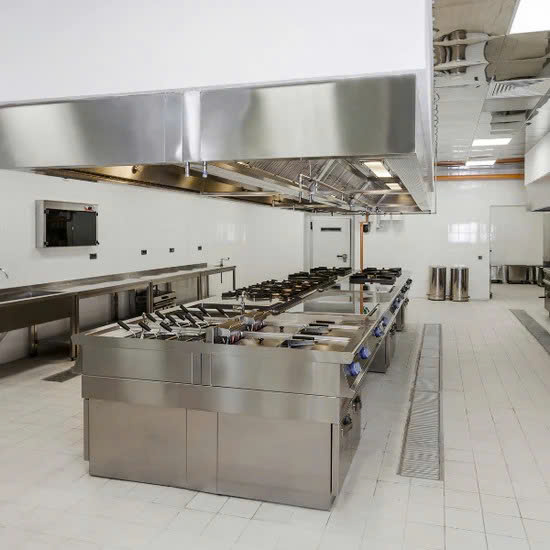
A 2D layout drawing is developed to illustrate equipment positions, safety clearances, and operational directions. The layout ensures smooth and continuous operations, convenient maintenance access, and compliance with fire safety and occupational safety standards.
Value delivered: Optimized space utilization and reduced operational costs.
5. Process
Equipment Selection & Configuration.
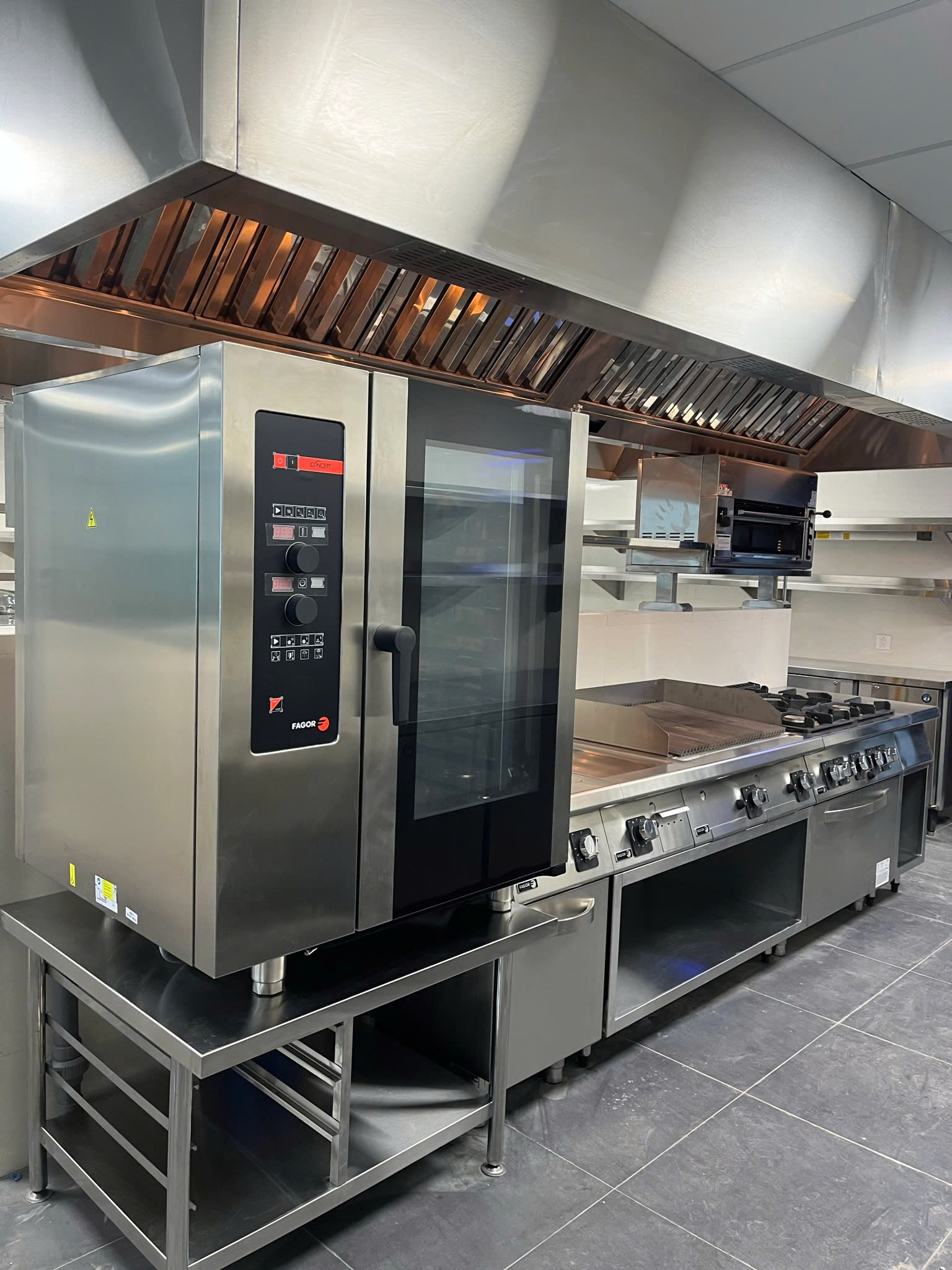
Equipment configurations are proposed based on operational capacity and investment budget. Suitable stainless steel materials, energy-efficient technologies, and equipment capable of stable performance in high-intensity environments are carefully selected.
Principles: Integration – Durability – Ease of maintenance.
6. Process
Technical Design (Shop Drawings).
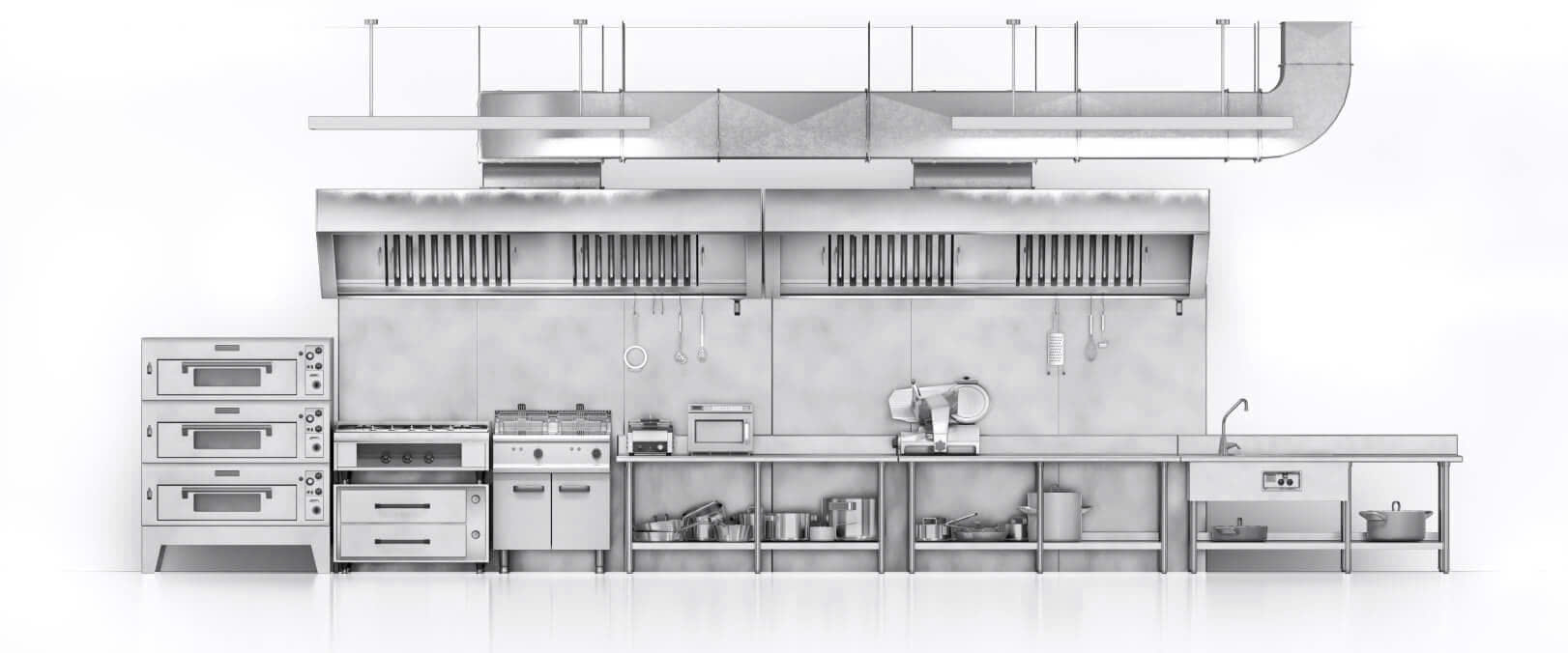
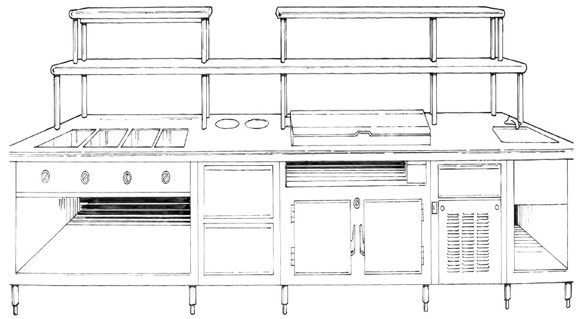
Detailed technical drawings are developed for each piece of equipment and supporting systems. These drawings specify dimensions, materials, installation elevations, and connection points for electricity, gas, water, and floor drainage.
Objective: To ensure accurate installation and minimize potential issues during construction.
7. Process
Cost Estimation & Design Documentation Finalization.
A detailed bill of quantities and investment cost estimation is prepared. The design documentation includes:
– Floor layout drawings
– Technical drawings
– Equipment list
– Technical solution description
Commitment: Transparent costs and a clearly defined investment scope.
8. Process
Review & Revisions.
Feedback is gathered from the project owner and relevant stakeholders. The design proposal is then refined to ensure feasibility, alignment with the project budget, and compatibility with the construction schedule.
9. Process
Design Documentation Handover.
The final design documentation package is completed and handed over to support manufacturing, installation, and project acceptance.