Warranty & Maintenance
Warranty Service
1. Process
Information Intake & Standardization
Warranty requests are received through official channels and fully recorded in the management system.
Required information includes:
– Equipment name and model
– Date of commissioning or initial use
– Actual operating condition
– Detailed description of the issue
Standardizing the data from the beginning helps shorten the verification process and improves accuracy during service handling.
2. Process
Warranty Eligibility Verification.
The technical team conducts an inspection of the equipment condition and verifies it against the agreed warranty policy.
The evaluation process is based on the following criteria:
– Warranty period validity
– Proper operating and usage conditions
– Root cause of the malfunction
The verification results are communicated transparently, along with a clear and appropriate service solution.
3. Process
Technical Solution Proposal & Implementation
Depending on the severity of the issue and the nature of the equipment, the appropriate service solution is implemented to ensure both efficiency and optimal response time:
– Remote technical guidance and troubleshooting
– On-site inspection by technical specialists
– Returning the equipment to the technical service center
– Replacement of components or product exchange according to policy
The overarching objective is to minimize equipment downtime and reduce any disruption to the client’s business operations.
4. Process
Repair, Inspection, and Quality Control
After the repair is completed, the equipment undergoes a comprehensive inspection before being handed over.
The quality control process includes:
– Verifying technical specifications
– Conducting operational performance tests
– Evaluating stability and safety
Only when all technical standards are fully met will the equipment be approved and delivered.
5. Process
Handover and Post-Warranty Monitoring
After completion, customers are guided on proper technical operation and advised on preventive measures to avoid recurring issues.
Warranty information is clearly updated, ensuring continuity and transparency throughout the equipment’s lifecycle.
Product Maintenance and Repair Process
Periodic Maintenance Service
1. Inspection and Condition Assessment
Before establishing a maintenance plan, the technical team conducts a comprehensive inspection of the entire system in order to:
– Evaluate the level of component wear and tear
– Check the stability of operational parameters
– Identify potential risks at an early stage
The findings are compiled into a detailed technical report, serving as the basis for proposing an appropriate maintenance solution.
2. Scheduled Maintenance Planning
Depending on the type of equipment and its operating intensity, maintenance schedules are developed on a monthly, quarterly, or annual basis.
Maintenance activities include:
– System cleaning
– Calibration of technical parameters
– Inspection and tightening of connections
– Replacement of worn components according to recommendations
The primary objective is to prevent failures before they occur, helping businesses minimize unplanned downtime.
3. Reporting and Improvement Recommendations
After each maintenance cycle, clients receive a comprehensive report on the equipment condition, along with recommendations for upgrades or replacements when necessary.
This enables businesses to proactively plan their technical budgets in the medium and long term.
Breakdown Repair Service
1. Rapid Response and Request Handling
When a malfunction occurs, the request is handled under a priority response mechanism. The technical team promptly analyzes the cause and proposes the most appropriate solution in the shortest possible time.
2. Accurate Diagnosis – Effective Resolution
The repair process focuses on identifying the root cause rather than applying temporary fixes.
The process includes:
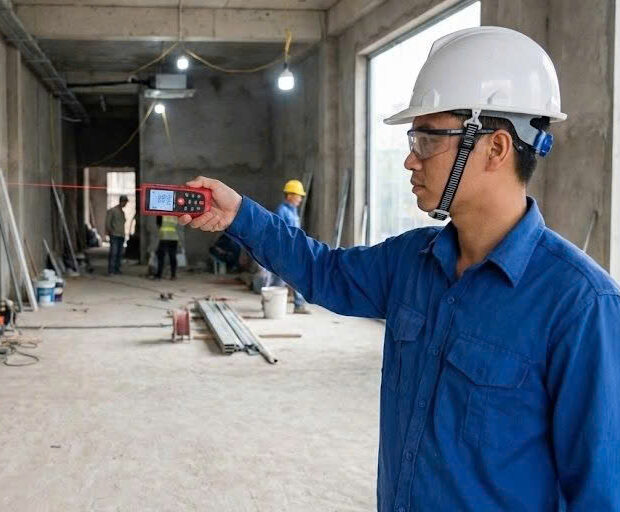
– Inspecting related components
– Measuring and verifying technical parameters
– Replacing or restoring damaged parts
Targeted intervention helps prevent recurring issues and extends the equipment’s service life.
3. Testing and Acceptance
After the repair is completed, the equipment undergoes operational testing to ensure it meets safety and performance standards before being handed over.
Breakdown Repair Service
1. Rapid Response and Request Handling
When a malfunction occurs, the request is handled under a priority response mechanism. The technical team promptly analyzes the cause and proposes the most appropriate solution in the shortest possible time.
2. Accurate Diagnosis – Effective Resolution
The repair process focuses on identifying the root cause rather than applying temporary fixes.
The process includes:
– Inspecting related components
– Measuring and verifying technical parameters
– Replacing or restoring damaged parts
Targeted intervention helps prevent recurring issues and extends the equipment’s service life.
3. Testing and Acceptance
After the repair is completed, the equipment undergoes operational testing to ensure it meets safety and performance standards before being handed over.