Kitchen Equipment Supply
Professional Commercial Kitchen Equipment Supply Process
1. Process
Analysis of the operating model and equipment configuration
The company receives information about the project type (hotel, restaurant, resort, industrial canteen, hospital, school, etc.), service scale, proposed menu, and peak-hour capacity.
Based on this information, the technical team analyzes the kitchen workflow, operational processes, food safety and hygiene standards, and technical requirements to determine the most suitable equipment configuration.
2. Process
Develop Equipment List by Functional Zones
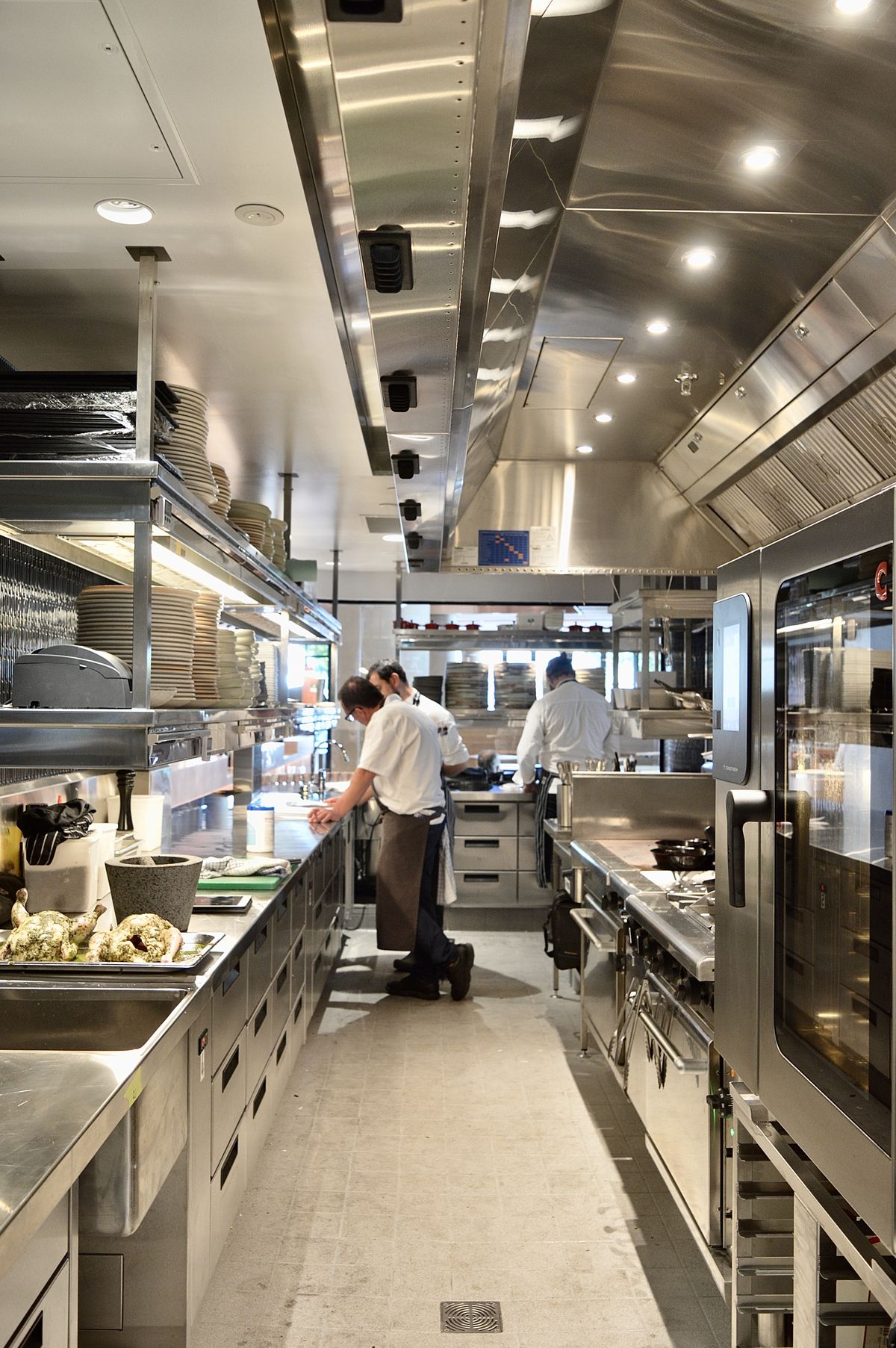
The equipment list is structured according to the functional zoning of the kitchen, including the preparation area, cooking area, storage area, washing area, and auxiliary areas.
Each piece of equipment is selected based on its capacity, construction materials, mechanical durability, ability to operate continuously, and compatibility with the overall kitchen layout.
3. Process
Brand Consultation & Technical Standards
The company provides consultation on selecting equipment from reputable domestic and international brands that meet food-grade stainless steel standards, electrical–gas safety standards, and certified quality requirements.
Brand selection is carried out based on key criteria, including operational efficiency, reliability, maintenance cost, and the long-term availability of spare parts.
4. Process
Manufacturing, Importation, and Quality Control
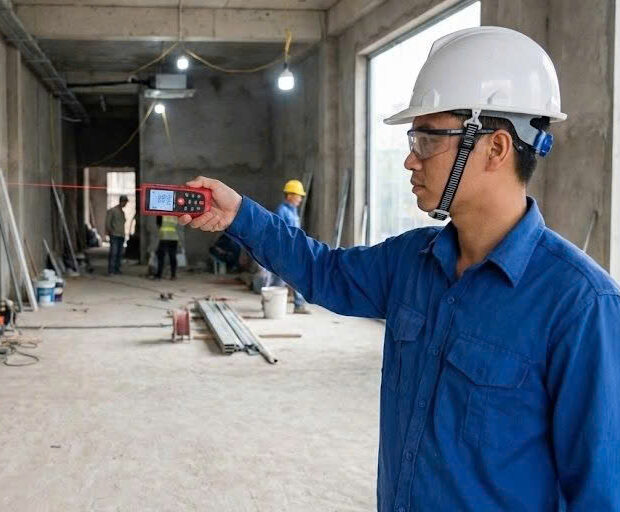
For stainless steel fabricated equipment, the company supervises the manufacturing process in accordance with technical standards, ensuring dimensional accuracy and high-quality surface finishing.
For imported equipment, the company conducts technical specification checks, operational testing, and standard compliance verification before installation.
5. Process
Installation, Integration, and System Synchronization
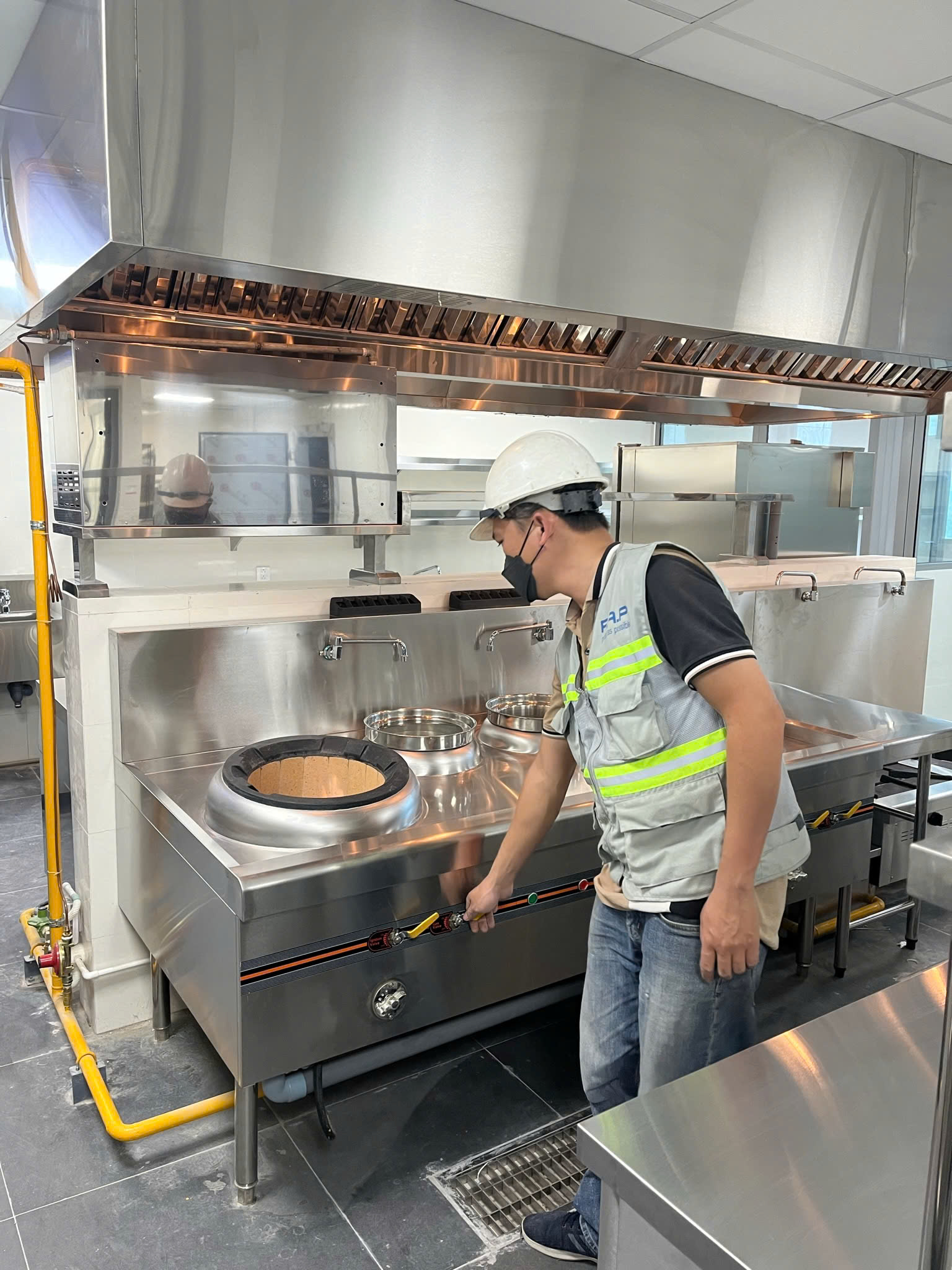
The equipment is installed in accordance with the approved technical drawings and synchronized with the electrical, gas, water supply and drainage, exhaust hood, and ventilation systems.
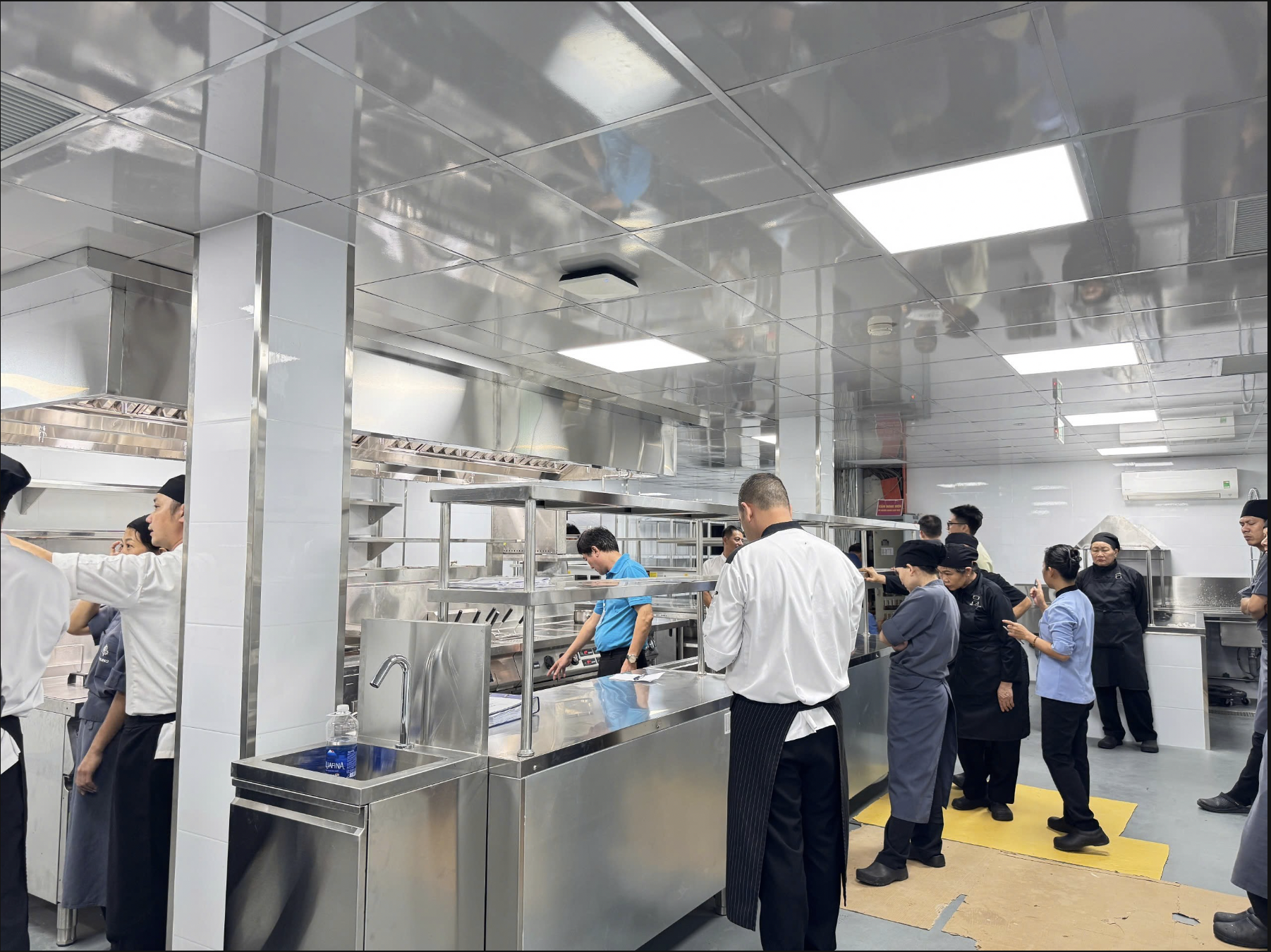
The installation process is supervised by the technical team to ensure safety, optimal performance, and stable operation from the initial commissioning stage.
6. Process
Operational Training & Technical Handover
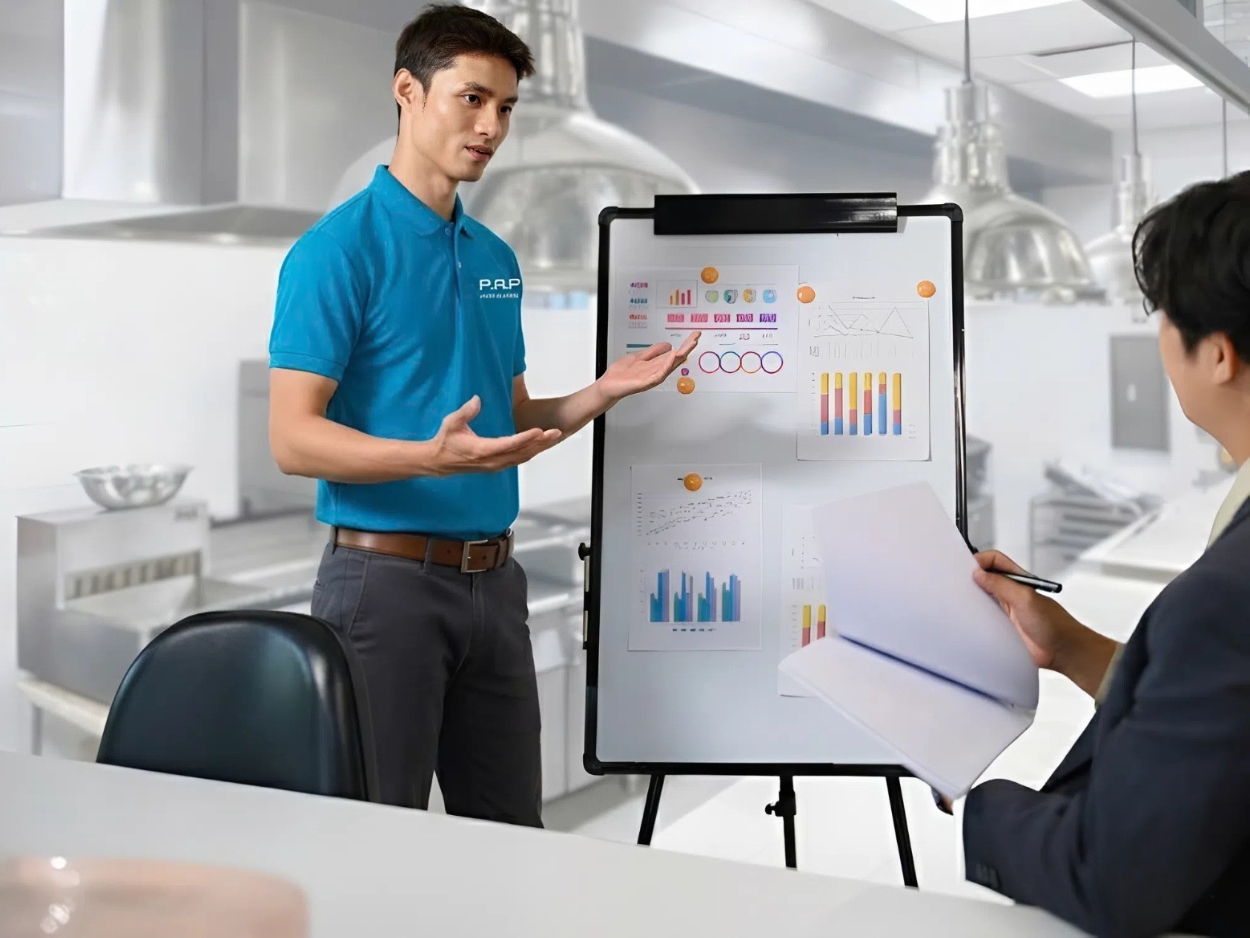
After installation is completed, the company conducts operational training for kitchen staff, providing guidance on equipment usage, cleaning procedures, and basic maintenance.
All technical documentation, as-built drawings, catalogues, and operational checklists are fully handed over to the project owner.
7. Process
Warranty, Maintenance & Long-Term Technical Support
The company provides official warranty programs, periodic maintenance, and prompt technical support.
After-sales services are structured with clear Service Level Agreements (SLA) to ensure minimal operational downtime for the kitchen system.
Commercial Kitchen Equipment Portfolio.
Food Preparation Equipment
Includes stainless steel preparation tables, sinks, vegetable cutters, meat grinders, storage racks, and warehouse shelving systems. These equipment help standardize the pre-processing workflow and ensure proper food hygiene control.
Industrial Cooking Equipment
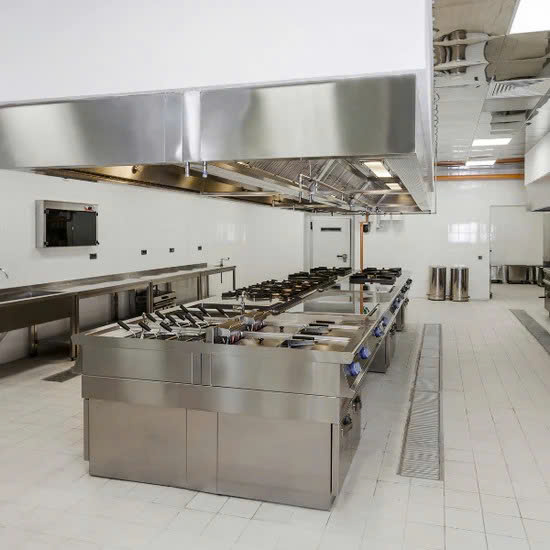
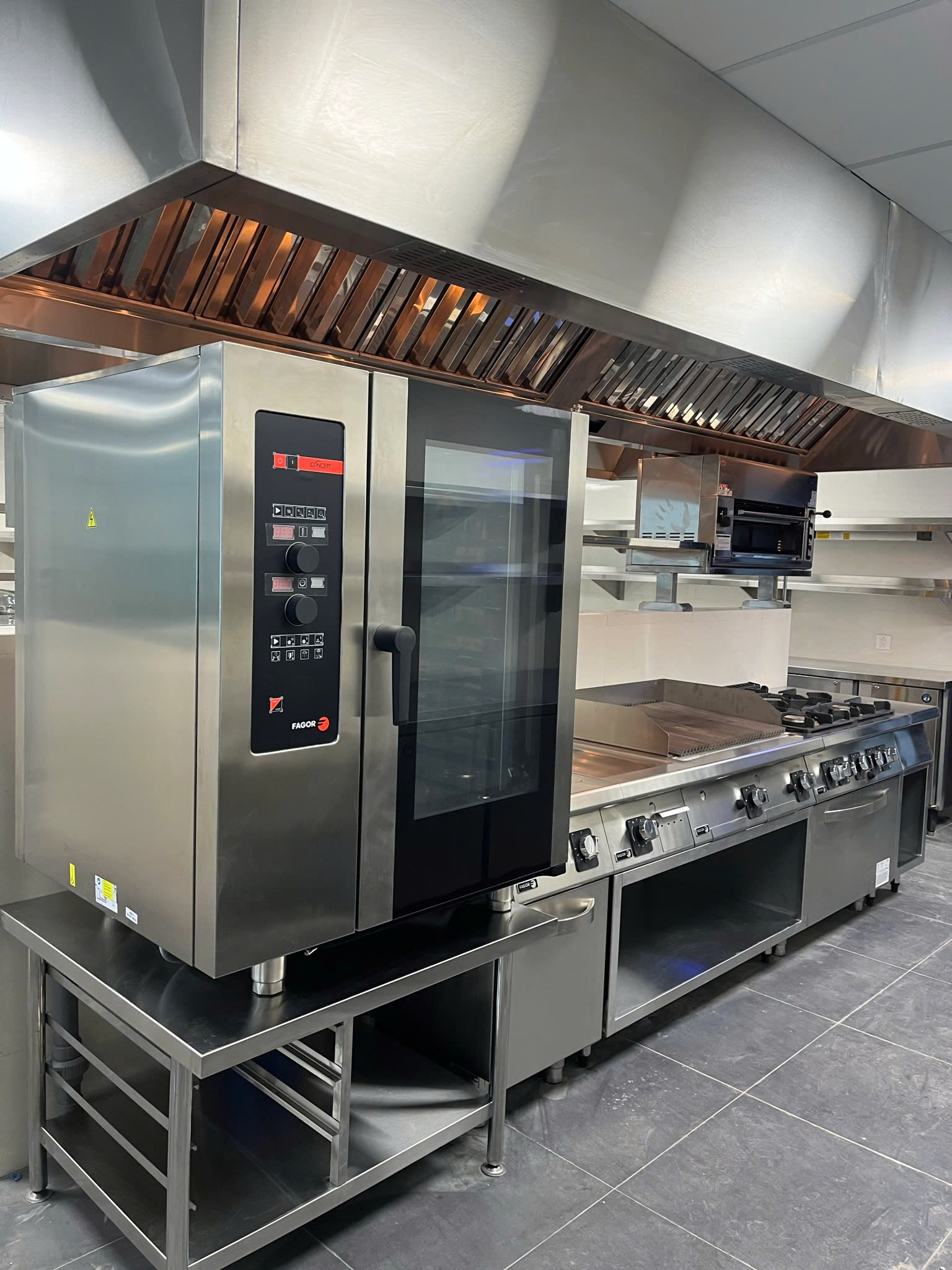
Includes Asian ranges, Western ranges, fryers, grills, combi ovens, industrial cooking kettles, industrial rice steamers, and specialized cooking equipment designed to support diverse menus and high-capacity operations.
Refrigeration & Cold Storage Equipment
Includes refrigerators, freezers, refrigerated worktables, and industrial cold rooms. These systems help maintain temperature control and preserve ingredient quality throughout the food supply chain.
Industrial Washing & Sanitation Equipment
Includes industrial dishwashers, multi-compartment sinks, waste handling systems, and tray trolleys, ensuring a one-way kitchen workflow and compliance with food safety and hygiene standards.
Kitchen Exhaust & Environmental Control Systems
Includes exhaust hoods, ventilation fans, grease filtration systems, ducting, and odor treatment systems. These solutions help maintain a safe working environment, reduce heat, and comply with environmental standards.
Auxiliary & Kitchen Logistics Equipment
Includes stainless steel trolleys, GN trays, storage racks, measuring tools, and transport support equipment, helping optimize workflow efficiency in high-capacity kitchen operations.
Our Competitive Advantages in Kitchen Equipment Supply
Total Kitchen Solution Provider
The company goes beyond simply supplying equipment by acting as a total kitchen solution provider, ensuring that all equipment aligns with the design, integrates seamlessly during installation, and optimizes overall kitchen operations.
Optimizing Total Cost of Ownership (TCO & LCC)
Equipment is selected based on its lifecycle cost, including initial investment, energy consumption, maintenance, and replacement costs. This approach helps investors optimize long-term financial efficiency.
Standardized According to HACCP and International F&B Standards
Equipment selection and layout configuration are developed in accordance with HACCP standards, ensuring a one-way kitchen workflow, minimizing cross-contamination between clean and dirty zones, and enhancing food safety standards.
Strong Technical Capability and Proactive Supply Chain
The company operates with a team of experienced engineers and technicians, supported by a network of manufacturing and import partners, ensuring equipment quality and reliable supply for large-scale projects.
Professional After-Sales Service with Clear Technical Commitments
Warranty, maintenance, and technical support services are structured under clearly defined Service Level Agreements (SLA), ensuring fast response times and minimizing operational disruptions for project owners.
Total Kitchen Solution Provider
The company goes beyond simply supplying equipment by acting as a total kitchen solution provider, ensuring that all equipment aligns with the design, integrates seamlessly during installation, and optimizes overall kitchen operations.
Optimizing Total Cost of Ownership (TCO & LCC)
Equipment is selected based on its lifecycle cost, including initial investment, energy consumption, maintenance, and replacement costs. This approach helps investors optimize long-term financial efficiency.
Standardized According to HACCP and International F&B Standards
Equipment selection and layout configuration are developed in accordance with HACCP standards, ensuring a one-way kitchen workflow, minimizing cross-contamination between clean and dirty zones, and enhancing food safety standards.
Strong Technical Capability and Proactive Supply Chain
The company operates with a team of experienced engineers and technicians, supported by a network of manufacturing and import partners, ensuring equipment quality and reliable supply for large-scale projects.
Professional After-Sales Service with Clear Technical Commitments
Warranty, maintenance, and technical support services are structured under clearly defined Service Level Agreements (SLA), ensuring fast response times and minimizing operational disruptions for project owners.